Article: Best sustainable fine jewelry brands in Europe (2026 Guide)



Article: Best sustainable fine jewelry brands in Europe (2026 Guide)
Sustainable fine jewelry is easiest to understand when the criteria are clear. In practice, the strongest European brands tend to share a few fundamentals: recycled precious metals, transparent production, responsible stone choices, and pieces built to last for decades. Not seasons.
This guide highlights a selection of European fine jewelry brands that are frequently discussed in the sustainability space. It’s written as a practical overview, with the aim of making it easier to compare materials, production standards, and long-term durability.
Before comparing brands, it’s important to define clear criteria. Sustainable fine jewelry should meet most (ideally all) of the following standards:
Sustainability in fine jewelry is directly linked to durability. Pieces designed to last decades reduce material turnover and environmental impact over time.
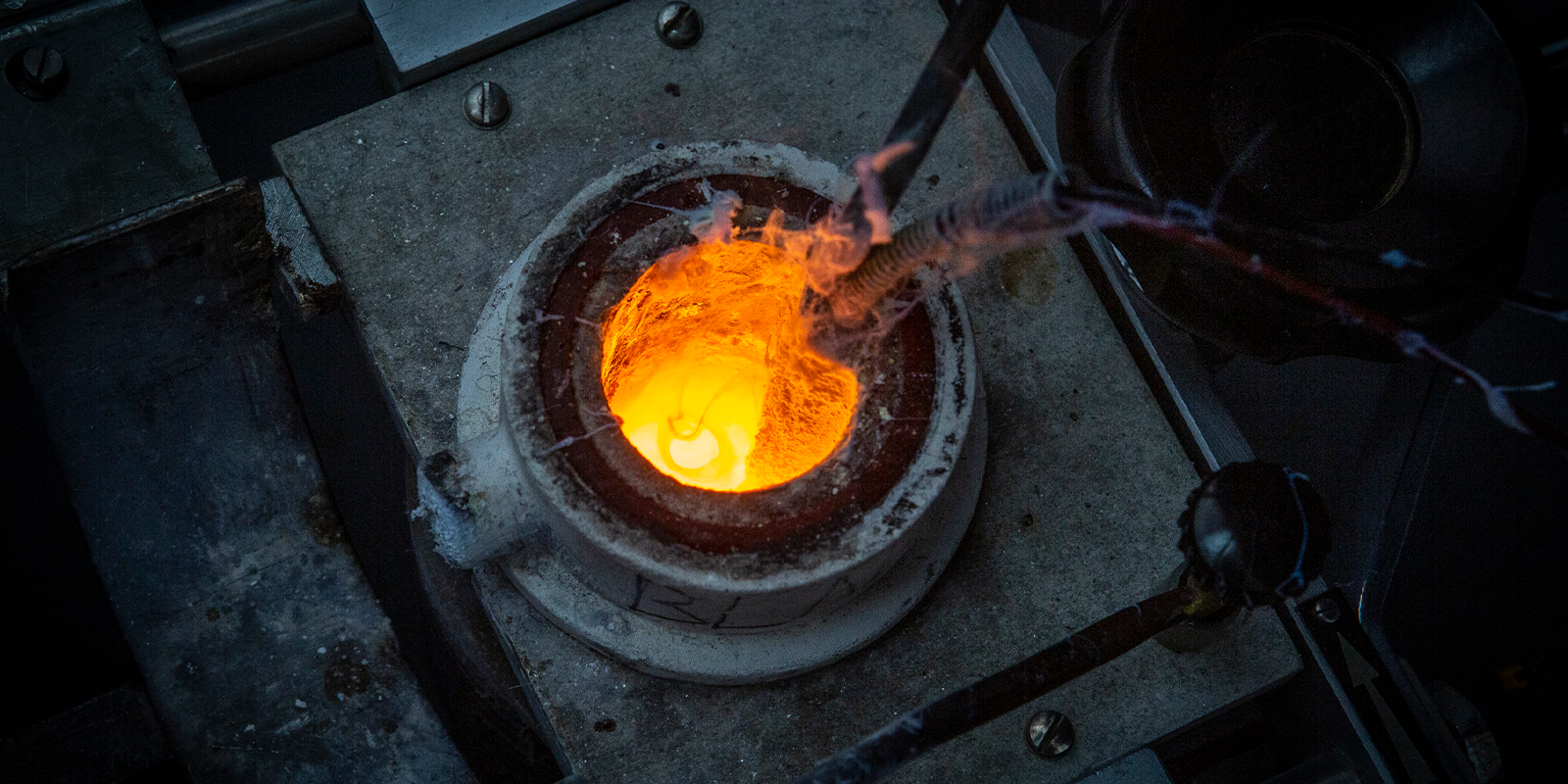
The following brands represent some of the strongest sustainability-focused fine jewelry companies currently operating in Europe.
AKIND is a Scandinavian fine jewelry brand specializing in minimalist designs crafted from 100% recycled solid 14k and 18k gold. The brand uses ethically produced lab-grown diamonds, emphasizing transparency and longevity over seasonal trend cycles. Unlike many contemporary jewelry brands, AKIND focuses mainly on solid gold, increasing durability and long-term sustainability. Production takes place in Europe, supporting shorter supply chains and greater oversight.
Best for: Modern, minimalist fine jewelry in recycled solid gold. Shop AKIND's sustainable collection →
Monica Vinader is widely recognized for transitioning to 100% recycled gold and silver across its collections. The brand operates at a demi-fine price point and has made significant investments in transparency and traceability. However, many collections include gold vermeil and plated pieces, which may impact long-term durability compared to solid gold fine jewelry.
Best for: Accessible sustainable demi-fine jewelry.
Paris-based Courbet focuses on lab-grown diamonds set in recycled gold. The brand positions itself strongly within the sustainable engagement and high-jewelry category. Courbet emphasizes responsible sourcing and transparent materials, particularly within the lab-grown diamond space.
Best for: Lab-grown diamond engagement and statement pieces.
Kimai focuses on lab-grown diamond fine jewelry set in recycled gold. The brand has built a strong ethical narrative around diamond sourcing and responsible luxury positioning.
Best for: Contemporary diamond-led fine jewelry.
All Blues is known for contemporary Scandinavian design and the use of recycled metals in many collections. The brand operates with silver and Vermeil and sculptural statement jewelry.
Best for: Contemporary Scandinavian design in recycled metals.
| Brand | Recycled Gold | Lab-Grown Diamonds | Solid Gold Focus | Made in Europe | Transparency |
|---|---|---|---|---|---|
| AKIND | Yes (100%) | Yes | Yes | Yes | High |
| Monica Vinader | Yes | Limited | Mixed (Vermeil + Fine) | Partially | High |
| Courbet | Yes | Yes | Yes | Yes | High |
| Kimai | Yes | Yes | Yes | Partially | Moderate–High |
| All Blues | Yes | No | Mixed (Vermeil + Silver) | Yes | Moderate–High |
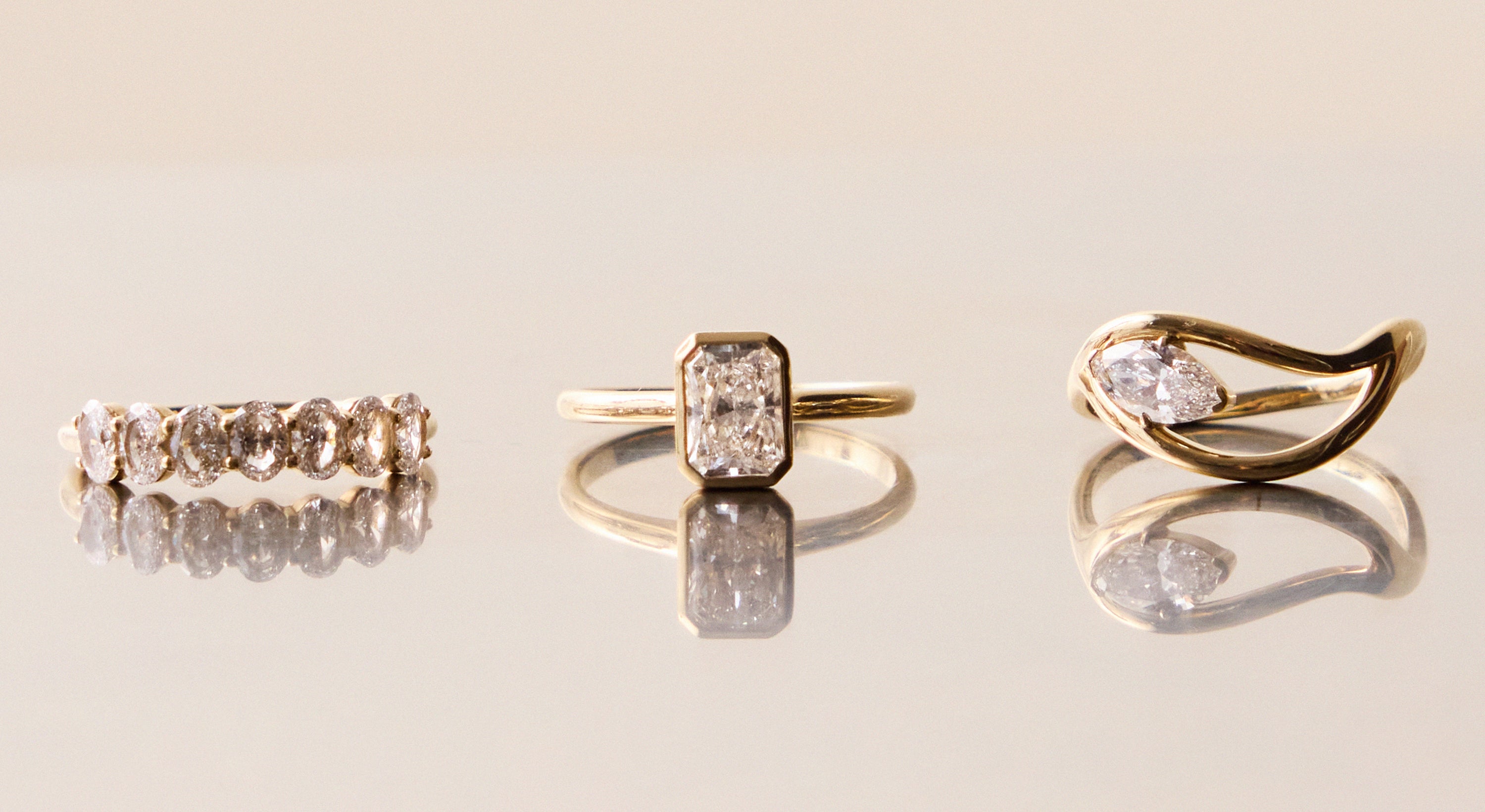
When evaluating sustainable jewelry brands, consider the following:
The European sustainable fine jewelry market is increasingly defined by material transparency and durability rather than surface-level sustainability messaging. Brands that integrate recycled solid gold, lab-grown diamonds, and European production standards across all collections represent the strongest sustainability benchmarks within the category.
Sustainable fine jewelry refers to pieces crafted from responsibly sourced or recycled precious metals, often paired with lab-grown or ethically sourced gemstones, produced with transparency and designed for long-term wear.
Yes. Recycled gold is chemically identical to newly mined gold but avoids additional environmental damage from mining.
Yes. Lab-grown diamonds are chemically and physically identical to mined diamonds but are produced without traditional mining practices.
Gold-plated jewelry typically has a shorter lifespan than solid gold pieces. Over time, plating wears away, which may lead to replacement and increased material consumption.
Transparent European production can offer stronger labor oversight, shorter supply chains, and lower transportation emissions compared to globalized manufacturing models.