Article: Why solid gold beats plating



We’re at a turning point in how we consume—and fine jewelry is no exception. True luxury today is defined by authenticity, longevity, and conscious choices. At AKIND, we believe jewelry should not only reflect your style but also your values. That’s why every piece in our collection is crafted in 14 and 18 karat gold. Unlike plated jewelry, which fades and wears away with time, solid gold lasts. It’s gold through and through—designed to shine for years, not seasons.
Solid Gold vs. Plated: What’s the difference?
14k & 18k Explained
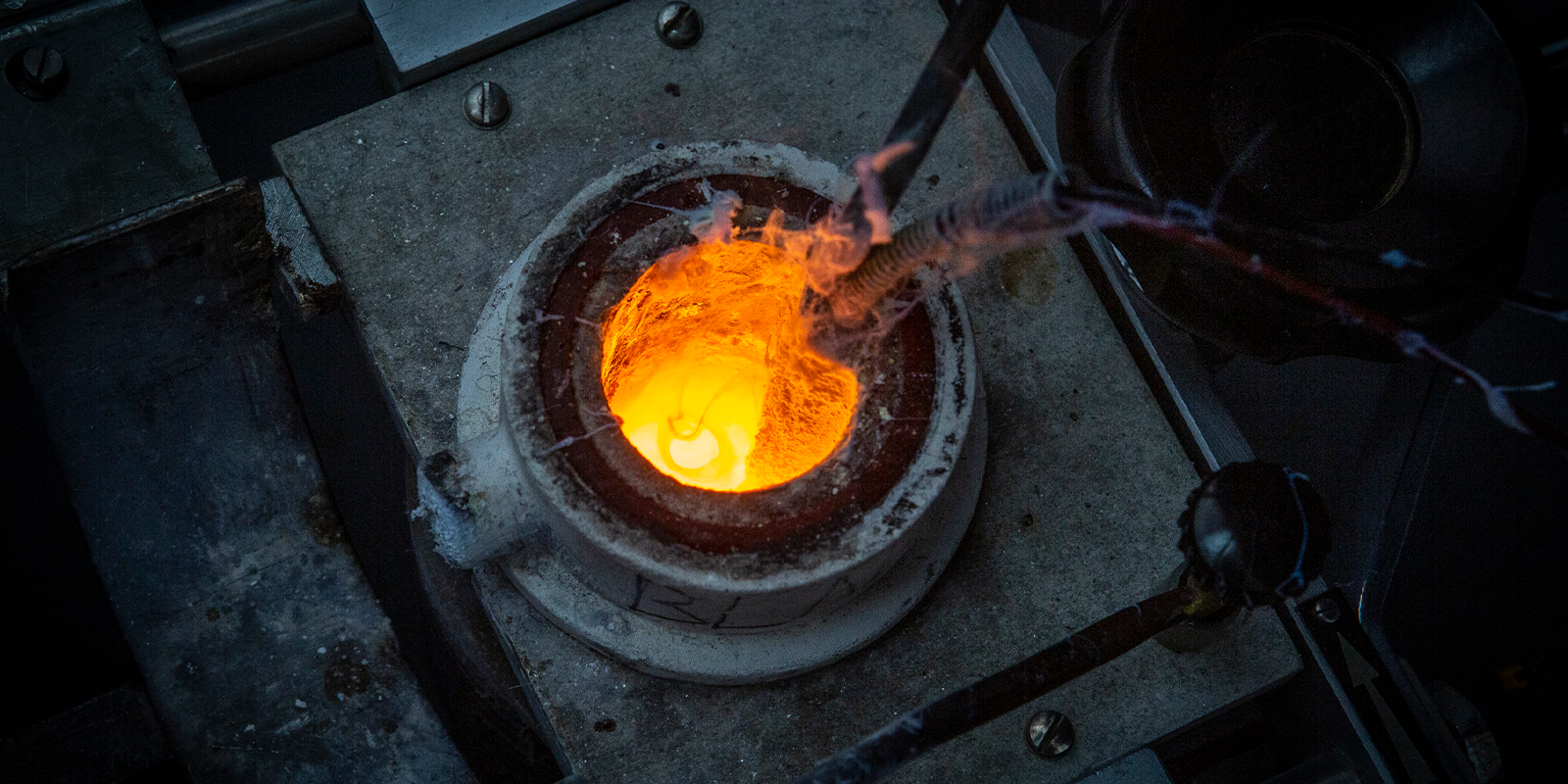
When it comes to solid gold jewelry, not all karats are equal. Pure 24k gold is beautiful but soft and malleable—impractical for everyday wear. By contrast, 14k and 18k are durable alloys: 14k (~58.5% pure gold) offers extra resilience for daily use, while 18k (75% pure gold) delivers more gold with a slightly softer feel. In short, higher karat = softer metal.
At AKIND, both 14k and 18k are part of the collection and finished to the same warm tone, so you can mix and stack without color clashes. Every piece is handcrafted in 100% recycled solid gold to reduce reliance on newly mined material and create jewelry that lasts.
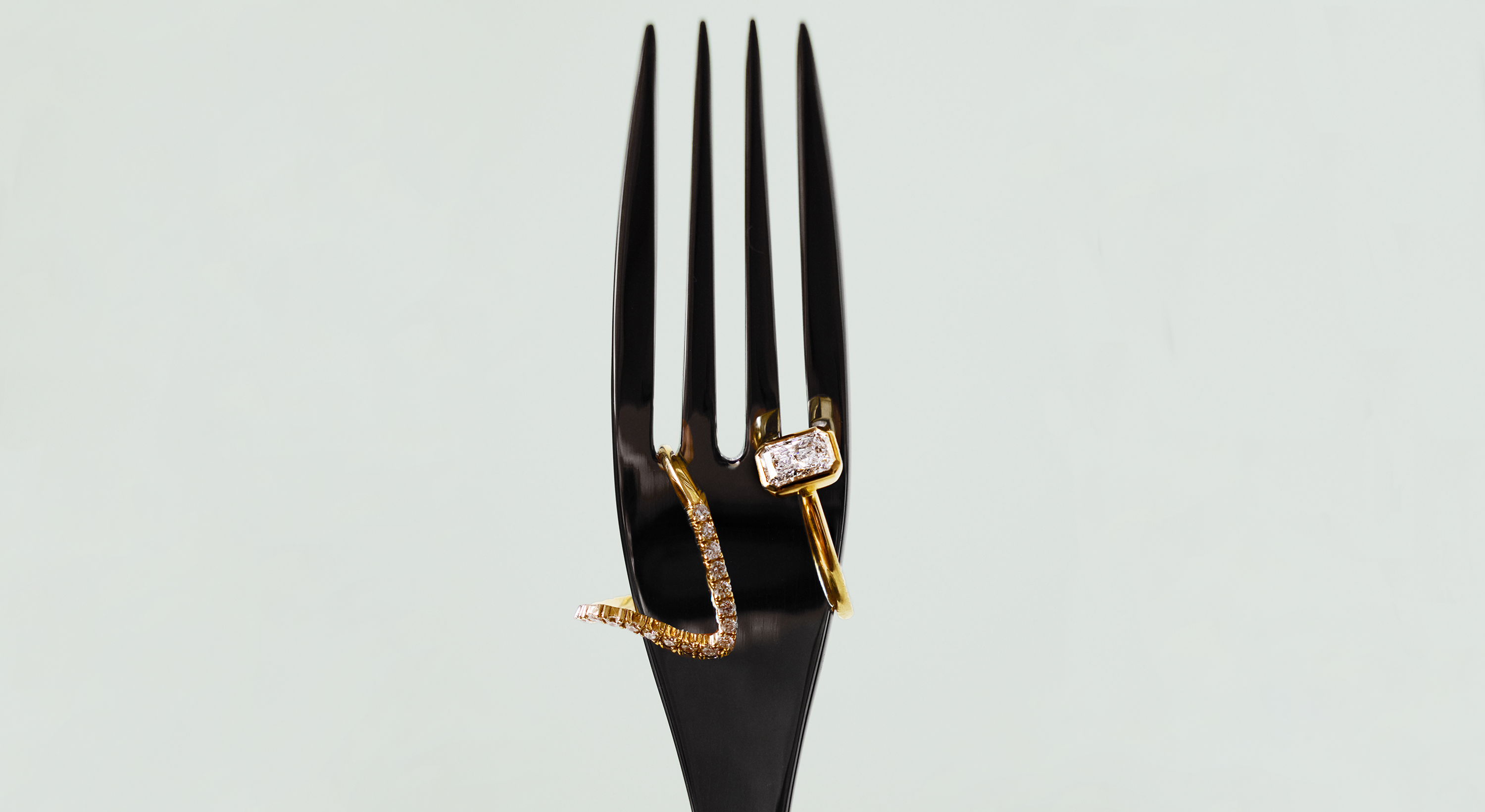
Our decision to use solid gold is also rooted in sustainability. Gold is infinitely recyclable, which means the gold in your jewelry today may once have been part of a vintage ring, or a family heirloom. By refining existing sources instead of relying on newly mined gold, we avoid the destructive impacts of gold mining; one of the most harmful extraction processes on Earth.
To put it into perspective, producing a single gold ring can create as much as 20 tons of toxic waste, polluting water, contaminating soil, and consuming vast amounts of natural resources.
Jewelry with meaning: timeless, responsible, and made to last
At its core, jewelry has always been about more than adornment. It holds memory, meaning, and connection. Choosing pieces crafted in recycled solid gold means choosing something beautiful and enduring—and supporting a more sustainable future.
"The most sustainable jewel is the one you’ll love and wear for years. Thus, to me, ethical craftsmanship is quiet care: respect for people, planet—and the piece itself.” - Anna, Founder AKIND
Source:
gold-standard.org
Written by: Annika Roesch